
Ulnar Nerve Pain & Numb Fingers? A Newmarket Chiropractor Explains How to Fix It
Last updated: December 26, 2025
If you’re dealing with numbness or tingling in your pinky and ring finger, elbow pain, or a strange electric sensation down your arm, you may be experiencing an ulnar nerve problem.
As a Newmarket chiropractor, I see this frequently—especially in people who work at desks, use their phones a lot, or wake up with numb fingers at night.
Identifying where the nerve is being irritated is important, because the ulnar nerve can be affected in more than one location.
What Is the Ulnar Nerve?
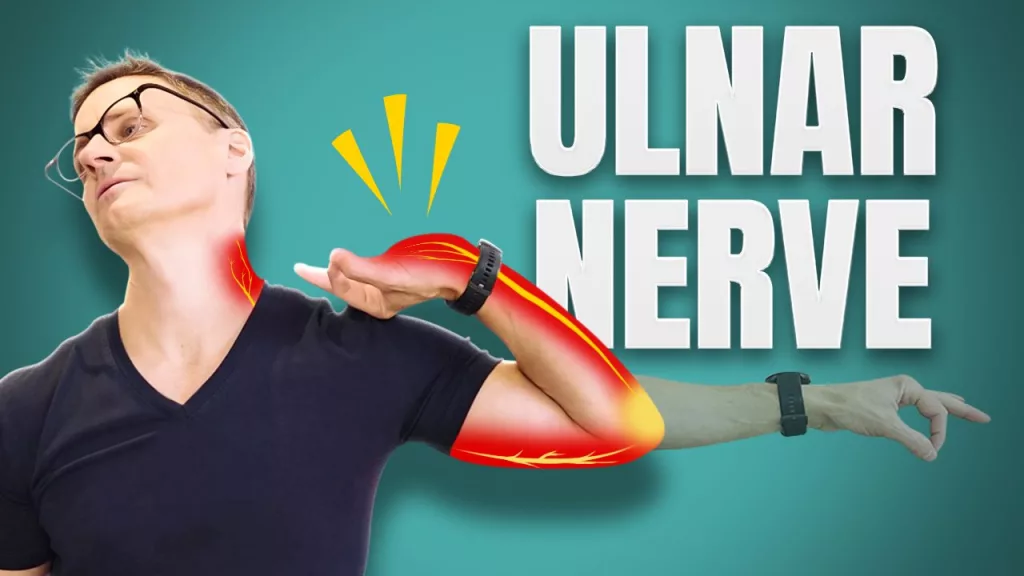
The ulnar nerve begins in the lower neck (C8–T1 nerve roots) and follows a very specific path:
- From the lower cervical spine
- Down the back/inside of the arm
- Around the medial elbow (the “funny bone”)
- Along the inside of the forearm
- Into the hand on the pinky side
- Supplying sensation to:
- The entire pinky finger
- Half of the ring finger
If those fingers are involved, the ulnar nerve is almost always responsible.
Common Symptoms of an Ulnar Nerve Problem
Patients visiting our Newmarket chiropractic clinic often report:
- Numbness or tingling in the pinky and ring finger
- Weak grip strength or dropping objects
- Burning or “electric” sensations in the forearm
- Pain or sensitivity at the inside of the elbow
- Symptoms that worsen with elbow bending
- Night-time numbness or waking with numb fingers
These symptoms are often positional and mechanical—meaning they change with posture, movement, or pressure.
Ulnar Nerve Problems Can Start in the Neck
One of the biggest mistakes people make is focusing only on the elbow.
In many cases, the ulnar nerve is irritated at its origin in the neck, particularly at the C8–T1 level.
Signs the neck is involved:
- Neck stiffness or reduced range of motion
- Symptoms that change with head movement
- Forward head posture or loss of cervical curve
- Tingling that travels from the neck into the arm
As a chiropractor, assessing the neck is a critical first step. If the nerve is irritated at the source, elbow-only treatments often fall short.
Ulnar Nerve Compression at the Elbow (Cubital Tunnel Syndrome)
At the elbow, the ulnar nerve passes through a tight space called the cubital tunnel.
Common causes include:
- Leaning on elbows (desk, car, couch)
- Prolonged computer or phone use
- Sleeping with elbows bent
- Repetitive arm movements
- Poor lifting or training mechanics
If symptoms worsen when your elbow stays bent, the cubital tunnel is likely involved.
How We Approach Ulnar Nerve Problems in Our Newmarket Chiropractic Office
Effective care focuses on the entire nerve pathway, not just the painful area.
1. Gentle Ulnar Nerve Gliding
Improves nerve mobility without overstretching or aggravation.
2. Addressing the Neck
Restoring motion and reducing irritation at the C8–T1 level is often essential for lasting relief.
3. Reducing Elbow Compression
Simple posture and sleeping adjustments can dramatically reduce nerve irritation.
This conservative, structured approach helps many patients avoid unnecessary procedures, and gets them back to feeling their best permanently.
When Should You See a Chiropractor in Newmarket for Ulnar Nerve Pain?
You should seek a proper assessment if:
- Symptoms are persistent or worsening
- Weakness is developing in the hand
- Fine motor control is affected
- Home strategies haven’t helped
Early care matters with nerve issues.
If you’re in Newmarket or the surrounding area, proper assessment makes all the difference.
Yes!
Chiropractic on Eagle
2:30 – 6:00 PMTuesday 7:30 – 10:45 AM
2:30 – 5:30 PMWednesday 2:30 – 6:00 PMThursday 7:30 – 10:45 AM
2:30 – 5:30 PMFriday ClosedSaturday ClosedSunday Closed